

Why Your Northeast Ohio Lawn Needs More Than One Fertilizer Application a Year
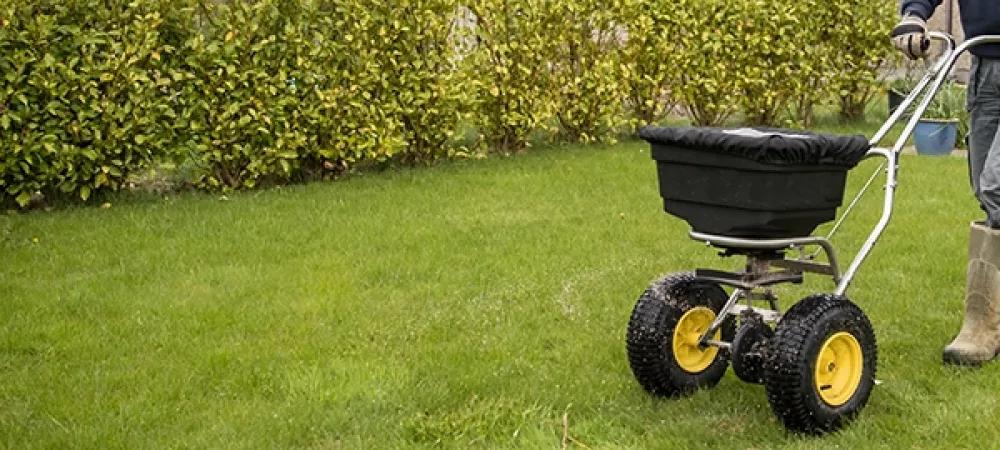
If you've ever fertilized your lawn once in the spring and wondered why it still looked tired and pale by August, you're not alone. One of the most common misconceptions among Northeast Ohio homeowners is that a single bag of fertilizer in April will carry a lawn through the entire growing season. In reality, cool-season grasses like the Kentucky bluegrass and fescue blends common throughout the Greater Cleveland and Akron areas need nutrients delivered on a schedule that matches how they actually grow and go dormant throughout the year.
Why doesn't one fertilizer application last all year?
Grass is constantly using up nitrogen, phosphorus, and potassium to build new leaf tissue, push out roots, and recover from stress. A single application typically feeds the lawn for only six to eight weeks before nutrient levels drop off. Once that happens, grass color fades, growth slows, and the lawn becomes more vulnerable to:
- Weed invasion in thin or nutrient-starved patches
- Heat and drought stress over the summer
- Disease pressure during humid stretches
- Winter injury going into the colder months
This is why most professional fertilization programs in Ohio are built around five to six rounds spread across the year rather than one or two heavy feedings.
What does each fertilizer application actually do?
Each round of fertilizer is timed to support a different stage of the grass's growth cycle:
Early Spring
A slow-release, nitrogen-rich application helps the lawn wake up from winter dormancy and pushes early, even green-up.
Late Spring
A follow-up feeding keeps growth thick and dense right as weeds like crabgrass are trying to get established — which is also why timing this alongside a pre-emergent crabgrass treatment matters so much in this window.
Early and Late Summer
Balanced, stress-resistant formulas help the lawn hold its color and density through Ohio's hottest, driest stretches, when grass is most prone to going dormant or thinning out.
Fall
A potassium-boosted application strengthens root systems and improves cold tolerance heading into winter.
Late Fall (Winterizer)
The final round of the year helps grass store the nutrients it needs to come through winter strong and green up quickly the following spring.
This rhythm fits into the broader year-round lawn care schedule that most healthy Ohio lawns follow.
What happens if a lawn skips a round?
Missing even one application in the cycle can create a visible gap in color and density that takes weeks to recover from. Lawns that are fertilized inconsistently tend to show:
- Patchy, uneven color across the yard
- Slower recovery from foot traffic or mowing stress
- A higher chance of crabgrass, dandelions, and other weeds moving into thin spots
- Reduced resilience heading into summer heat or winter cold
If a lawn is already looking stressed, pairing fertilization with core aeration can help nutrients and water reach the root zone more effectively, especially in compacted soil common throughout Northeast Ohio neighborhoods.
Does the type of fertilizer matter?
Yes. Northeast Ohio's clay-heavy soils and unpredictable freeze-thaw cycles mean a generic, big-box fertilizer isn't always built for local conditions. Organic-based and slow-release formulas tend to perform better here because they:
- Release nutrients gradually instead of in a quick burst that washes away
- Reduce the risk of burning grass during summer heat
- Improve soil health over time rather than just feeding the surface
- Hold up better against the region's heavier rainfall patterns
Is a DIY fertilizer schedule realistic for most homeowners?
It can be, but staying consistent is the hard part. Between buying the right product for each season, watching the weather, and applying at the correct rate, many homeowners find that rounds get pushed back, skipped, or applied at the wrong time — which is usually when problems start to show up.
Ready for the Dyna-Green Difference?
A consistent, professionally managed fertilization program takes the guesswork out of lawn care. At Dyna-Green, our organic-based fertilization programs are built specifically around Northeast Ohio's climate, soil, and grass types, with each round timed to give your lawn exactly what it needs that season. Please note: this blog is only a general guide, and the right fertilization schedule can vary depending on your lawn's specific soil, sun exposure, and current condition. Always consult with one of the lawn care professionals at Dyna-Green before making changes to your fertilizer routine.
Ready to stop guessing and start growing? Contact us today for a free quote and let our team build a fertilization plan tailored to your yard.